My mother lived her last years in an assisted-living apartment in Ohio. She was born in the Depression, and she kept her keepsakes close — small reminders of a whole flock of people she had loved and outlived. Even at 89, she didn’t believe it was her turn yet. Getting her into hospice was trying: to her, hospice meant the final hours, not something that could make the months before them richer. We managed her admission just before the holidays in 2023. Knowing we were nearing the end, my sisters and I determined we’d celebrate her February birthday with ninety days of celebrating her ninety years.
For the first two months after hospice services began, she got better. A kind, unhurried woman came to give her bed baths, on my mother’s time instead of an aide’s schedule. A chaplain came and sang. People showed up simply to be with her. She enjoyed the company, and enjoyed the multiple celebrations of her birthday as well.
Then one day in May she had a sudden burst of energy — walked the whole way to the activity room to get her nails done. During the manicure, though, a seizure overcame her, and she was returned to her room in a wheelchair. The nurse on duty called hospice, and then called me. When I got to her, she was in her bed, disoriented, and very fatigued.
My previous experience with someone dying was spending my aunt’s final hours bedside. Aunt Betty welcomed death and it came gently and swiftly once she was moved to a hospice ward. Would my mother’s life conclude that very night? I made her comfortable and stayed — she in her bed, I in the recliner facing the window. But dying can take a while. Often, there is a labor to leaving this world, just as there is a labor to being brought into it; Mom’s lasted six days. I spent them talking to her while she slept, making room for my sisters and their children to take their place in a virtual vigil, and witnessing things I have no easy explanation for.
The door to her apartment kept opening on its own — I had closed it; I had heard the latch click. I began to wonder whether the room was filling with the people who had gone before her. Once, several days in, she lifted her whole left arm and kissed the air, eyes closed, reaching for someone I couldn’t see. Yes, I told her. That’s what waits for you.
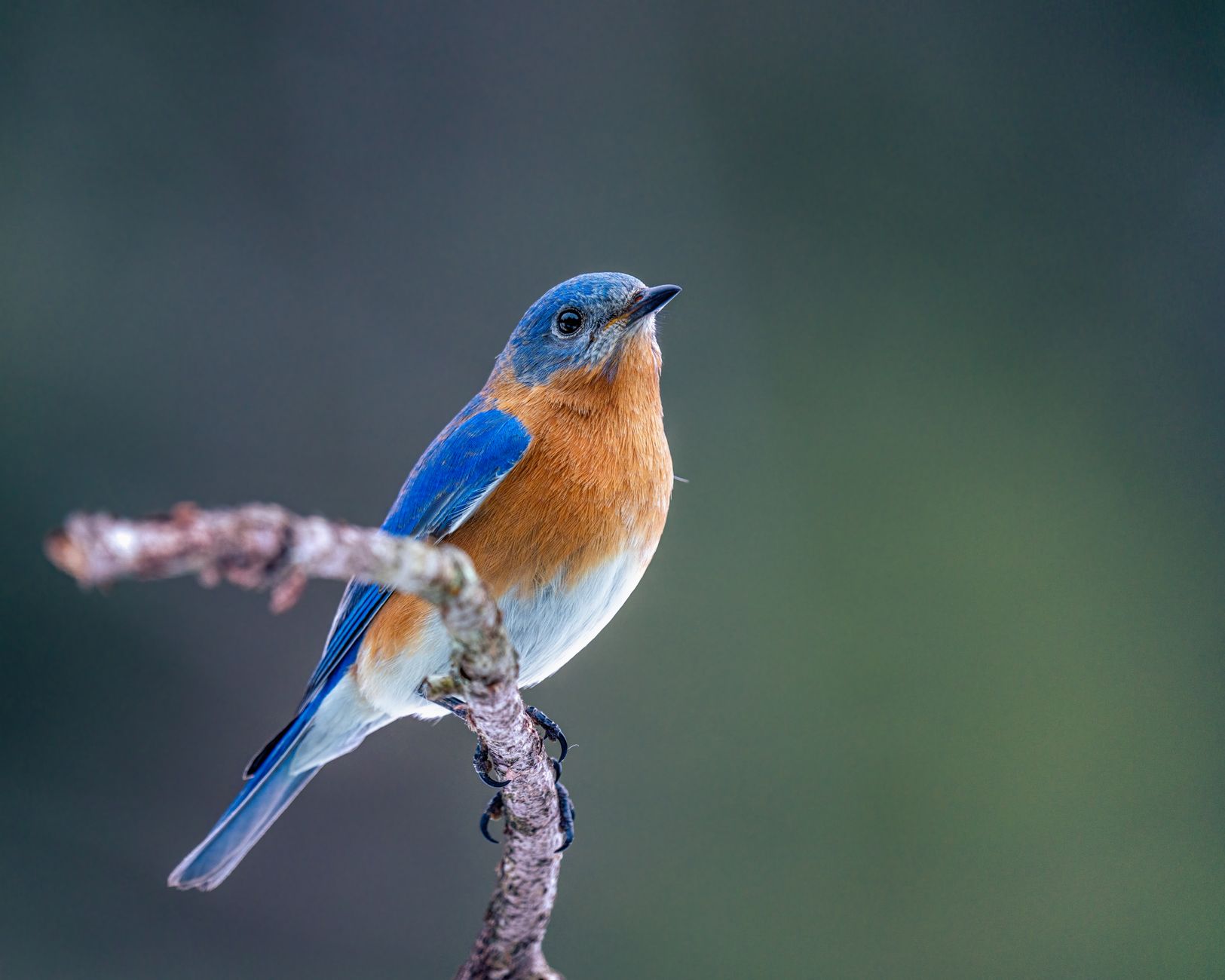
Outside the window was a birdfeeder, and that week it drew more birds, and more kinds, than I have seen in one place before or since. Cardinals. Goldfinches. Woodpeckers. And a family of bluebirds. My father used to sing “Bluebird of Happiness” to his girls, badly and on purpose. On one branch sat a grown bluebird; on another, three fledglings. My father and his three daughters, I thought, and let myself think it.
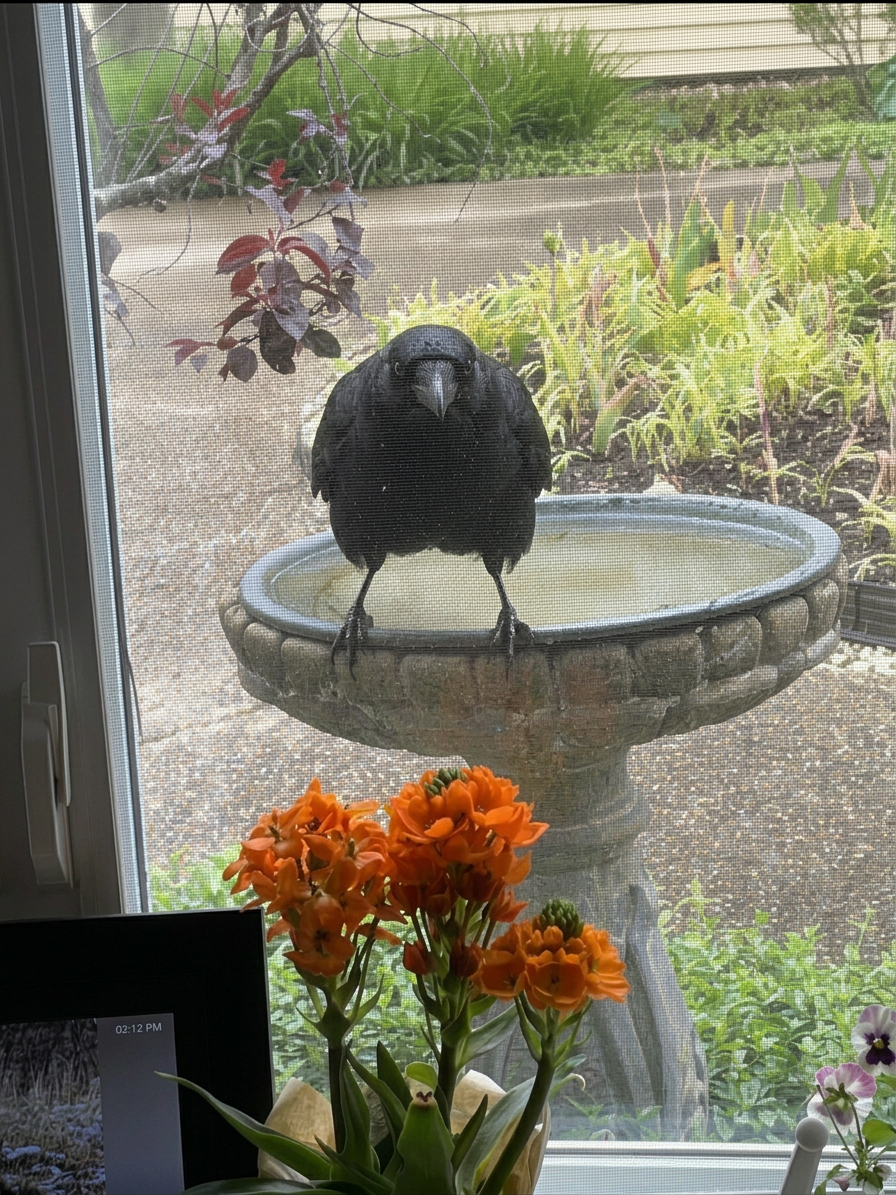
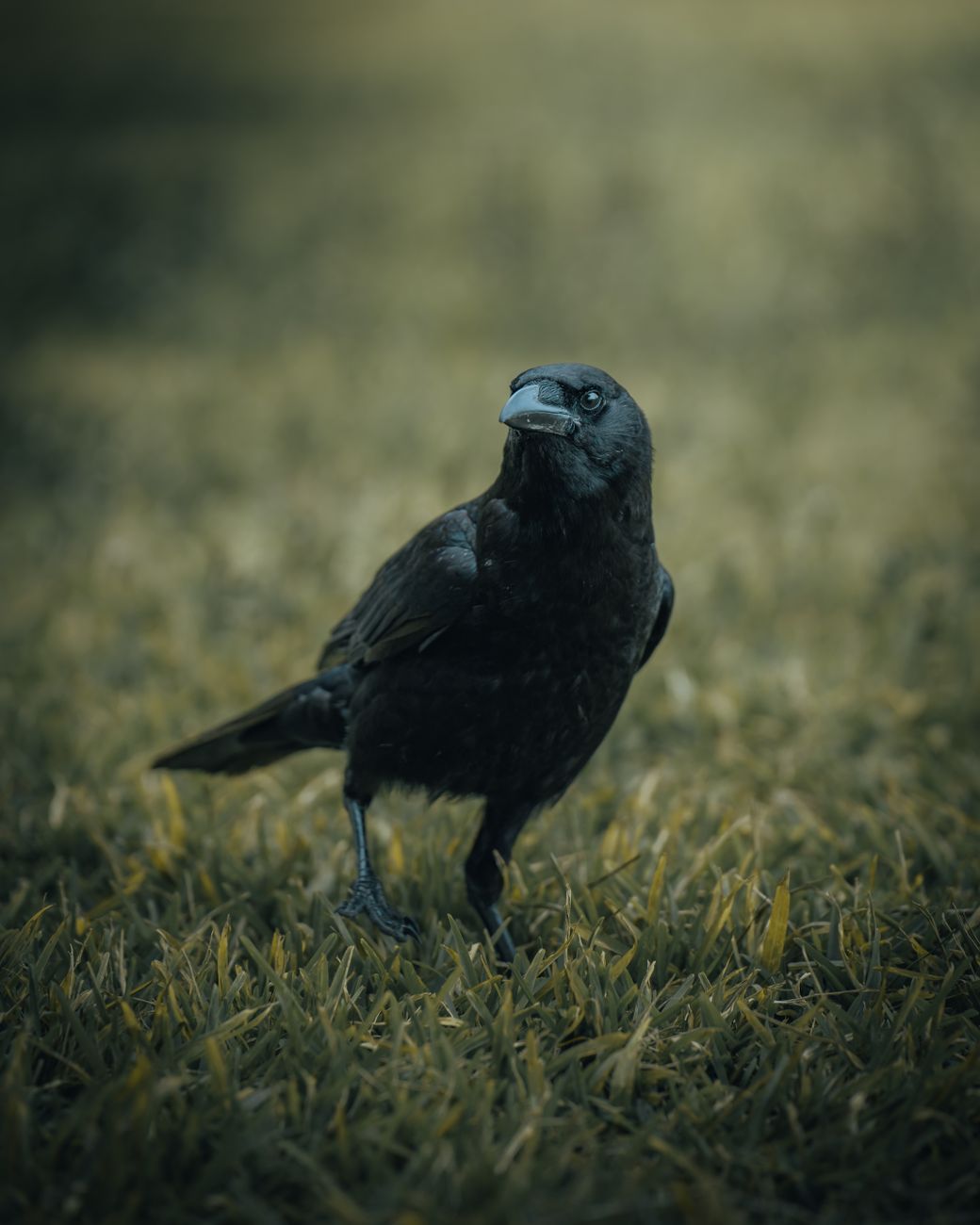
The one who insisted on being seen was a crow. Crows don’t usually keep to themselves, but this one did — waiting in the courtyard day after day, until one afternoon he hopped onto my mother’s birdbath and looked straight into the room. I began to call him Grandfather. My mother’s own father had died in an accident when she was very small, and I found myself wondering whether she was uneasy about meeting him again. Grandfather looked ominous and turned out to be friendly. I never completely determined which he was, and I didn’t try to. I let the crow be a crow.
I narrated all of it to her as it came — naming each bird, telling her the story I was making out of them, a story of her returning to everyone who had ever loved her. I found a deep well of reassurance within me to share.
There are two other things I still find extraordinary: After she died, the hospice nurse asked me to count the days on a calendar: eighty-six had passed between the first of our birthday visits and her death — just a hair short of the ninety my sisters and I had imagined. And weeks later, as I carried the last of her things out of that apartment, the crow came back. I have a photograph of him on the birdbath, cawing into the emptied room, as if to see me off.